July 20, 2026
The comfort of a home depends heavily on its ability to maintain a stable interior temperature regardless of the erratic weather conditions outside. While many homeowners immediately look toward their heating and cooling systems or interior insulation when utility costs begin to climb, the true culprit often lies on the very exterior of the structure. The outer protective shell of a house acts as the primary defense against thermal energy transfer, shifting winds, and persistent moisture. Engaging a professional siding contractor to evaluate and upgrade this exterior cladding can reveal substantial opportunities for improving energy efficiency. Far from being a purely aesthetic enhancement, modern exterior remodeling serves as a comprehensive system designed to secure the perimeter of a property, trapping conditioned air inside and keeping the elements out.
When individuals attempt to manage escalating utility costs, they frequently overlook the subtle structural degradation that occurs beneath aging exterior panels. Over decades of exposure to intense solar radiation and seasonal freezing cycles, older cladding materials can warp, crack, and pull away from the main framework of the building. This slow deterioration creates invisible pathways for drafty air to bypass standard wall insulation entirely, forcing interior climate control systems to work continuously.
Enhancing Thermal Envelope Insulation
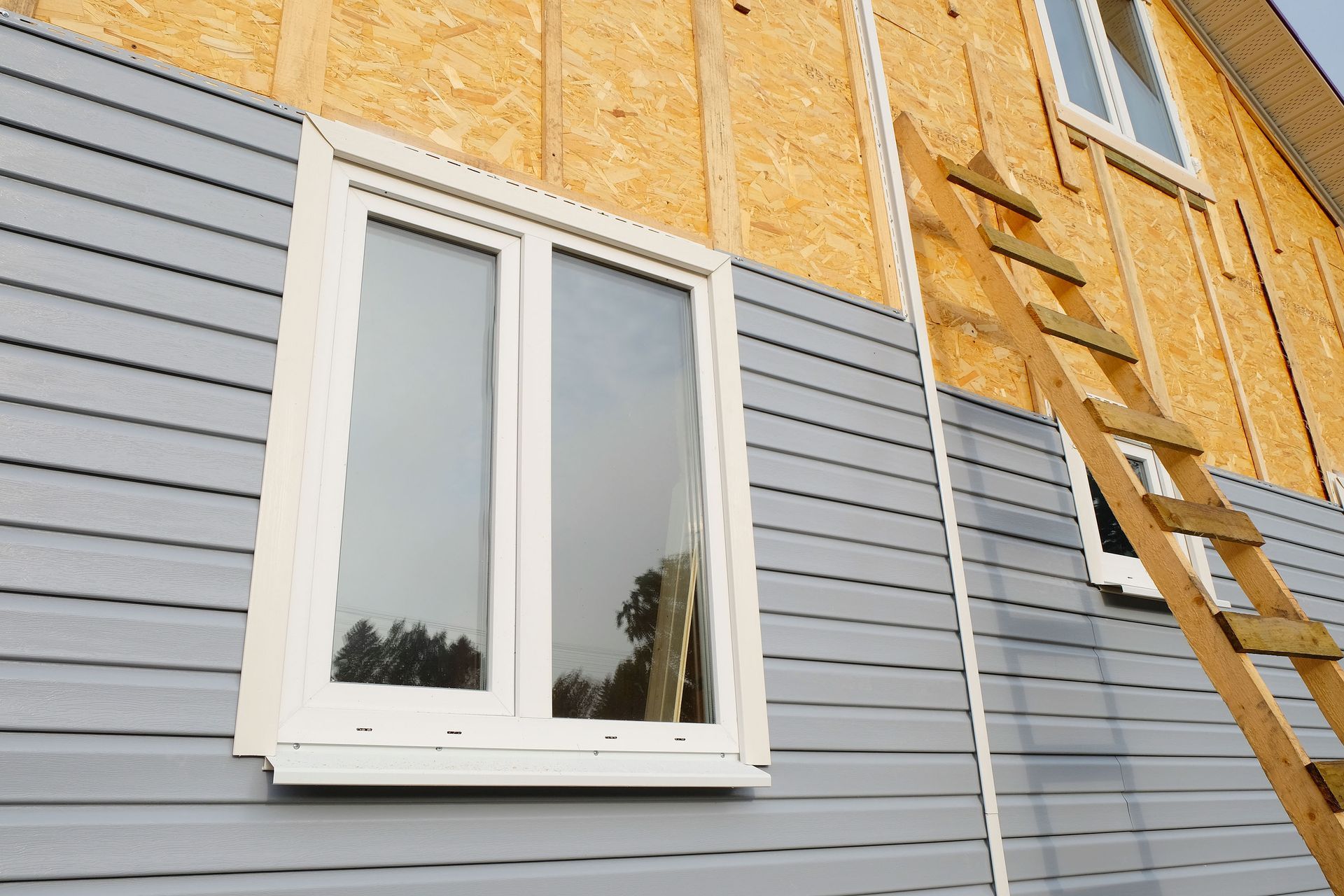
Improving the overall thermal resistance of a home requires a deep understanding of how energy moves through solid building materials, a concept often referred to as thermal bridging. Wall studs and structural framing can act as direct pathways for heat to escape, bypassing standard fiberglass insulation nestled between the interior walls. When a qualified siding contractor installs advanced exterior cladding, they typically integrate a continuous layer of rigid foam insulation directly beneath the new panels. This solid insulation wrap covers the entire structural framework, breaking the thermal bridges and creating a seamless blanket that keeps warm air exactly where it belongs during the colder seasons.
This continuous insulation strategy is remarkably effective at stabilizing interior temperatures, preventing the sudden drafts that cause homeowners to constantly adjust their thermostats. According to Today's Homeowner, new siding lowers heating bills by an estimated 8%. This reduction demonstrates the tangible financial impact of a well-executed exterior upgrade, transforming an initial home improvement project into a self-funding investment over time. By combining high-quality materials with meticulous installation techniques, property owners can ensure that their homes remain cozy and economical throughout the entire year.
Sealing Hidden Air Leaks
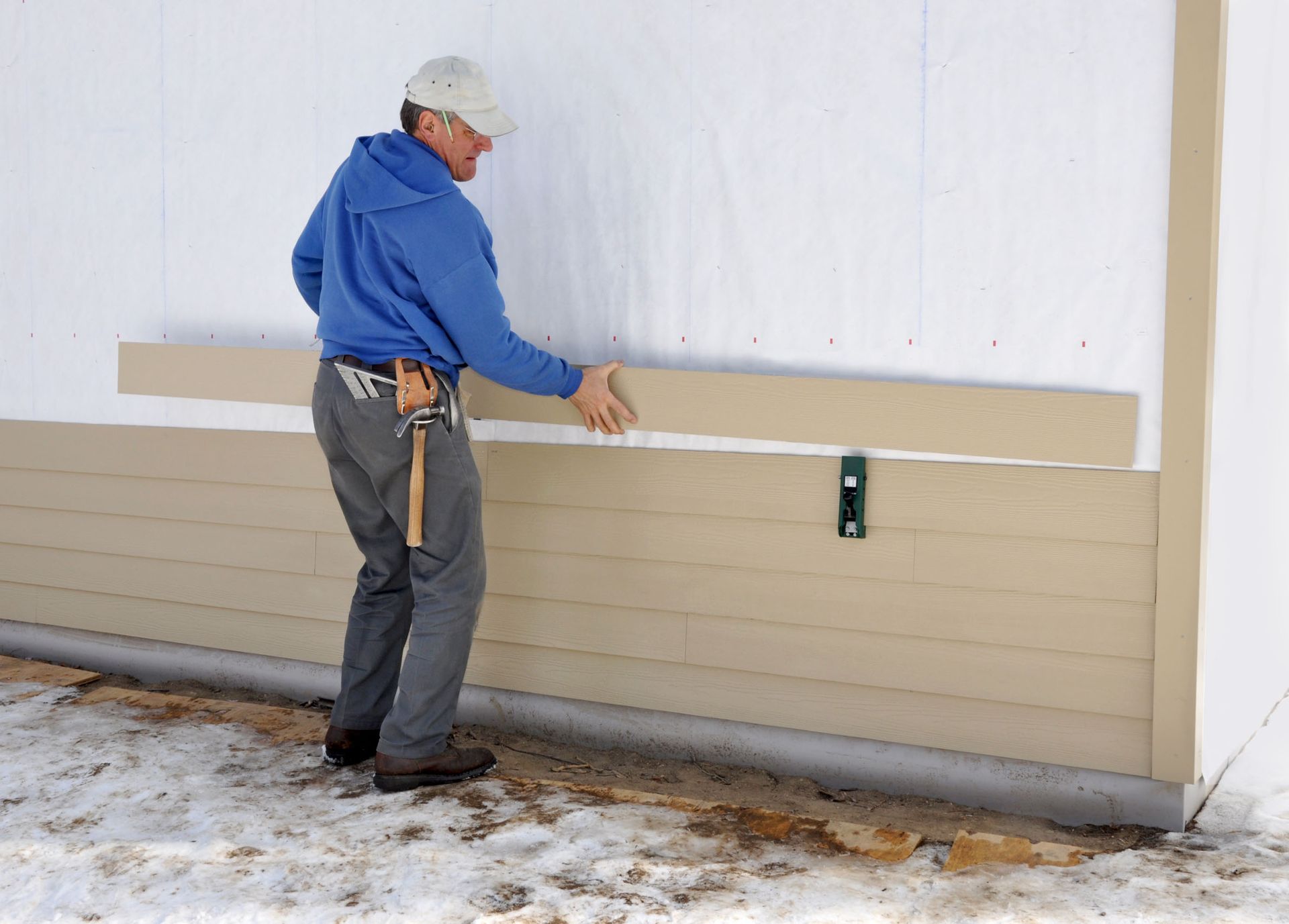
Stopping the unchecked movement of air through the walls of a dwelling is just as critical as adding insulation thickness to the exterior. Minor gaps around window frames, door trim, and foundational transitions can allow massive volumes of conditioned air to escape into the atmosphere every single hour. During a comprehensive exterior renovation, an experienced siding contractor meticulously inspects the underlying plywood sheathing for signs of rot, separation, and structural shifting. Addressing these minor openings before installing new panels ensures that the building envelope remains airtight, eliminating the drafty conditions that compromise indoor comfort.
Modern exterior remodeling projects utilize advanced house wraps that act as windbreaks, preventing high-velocity winds from penetrating the interior living spaces. These heavy-duty synthetic membranes are carefully taped at every seam, creating a monolithic shield that blocks outdoor air currents while still allowing the home to breathe. Eliminating these hidden air leaks removes the erratic temperature drops that force furnaces and heat pumps to cycle on and off repeatedly. This level of environmental control creates a tranquil interior atmosphere while shielding the household budget from sudden spikes in energy consumption.
Upgrading Vapor Barrier Protections
Managing internal moisture and external humidity is a complex engineering challenge that requires specialized knowledge of moisture vapor transmission through building envelopes. If humid air from cooking, showering, or laundering migrates into the wall cavities and meets cold exterior surfaces, condensation can form within the hidden framework. This trapped moisture can degrade standard insulation batts, causing them to sag, clump, and lose their thermal resistance properties entirely. Securing the services of a knowledgeable siding contractor guarantees that modern, vapor-permeable barriers are installed correctly to allow internal dampness to escape safely while blocking external rain.
These high-tech weather barriers are specifically engineered to manage the delicate balance of airflow and moisture movement around a residential structure. By preventing internal condensation from compromising the dry conditions required for optimal insulation performance, these barriers preserve the energy-saving capabilities of the home for decades. Keeping the structural framework completely dry also protects the house from the costly structural repairs associated with wood rot and mildew growth. This proactive moisture management approach safeguards both the structural integrity of the real estate and the health of the interior climate.
Choosing Advanced Structural Materials
Selecting the ideal material for a home exterior involves balancing durability, upkeep requirements, and thermal performance characteristics over a long lifespan. Traditional wood panels, while visually appealing, require continuous painting and sealing to prevent warping, splitting, and eventual thermal degradation from sun exposure. Modern alternatives, such as insulated vinyl, fiber cement, and engineered wood, offer superior resistance to the elements without requiring intense maintenance schedules. Working with a dedicated siding contractor allows homeowners to explore these innovative material compositions, choosing option combinations that maximize thermal efficiency for their specific regional climate.
Insulated vinyl options, for example, feature form-fitting foam backing that fills the void behind the panels, creating a rigid structure that resists impacts while adding significant thermal resistance. Fiber cement options combine wood fibers with sand and cement to create a completely fire-resistant, insect-proof cladding that does not expand or contract during extreme temperature swings. By choosing materials engineered for maximum longevity and energy performance, property owners can ensure their exterior remains beautiful and highly functional. This careful material selection process eliminates the thermal losses associated with warped or loose panels, ensuring lasting energy efficiency.
Preventing Moisture Infiltration Damage
Allowing water to penetrate beneath the exterior cladding of a home is a catastrophic event that can destroy insulation efficiency and ruin structural sheathing. Driven rain can find its way into the tiniest imperfections of an aging exterior, soaking the underlying wood panels and creating hidden pockets of decay. Wet wood and saturated insulation possess virtually zero thermal resistance, turning what should be a protective barrier into a direct conduit for heat loss. Entrusting your home to a certified siding contractor ensures that flashing systems, corner posts, and window caps are installed with absolute precision to redirect rainwater away from vulnerable transitions.
Proper installation techniques utilize overlapping joints, specialized caulking compounds, and integrated drainage planes that allow any incidental moisture to weep out safely before causing damage. Protecting the interior wall cavities from water saturation ensures that your insulation retains its maximum rated efficiency over the entire life of the structure. This rigorous attention to water shedding techniques eliminates the silent energy drains caused by damp building materials, ensuring the home remains warm, dry, and exceptionally economical. Preventing water damage is the ultimate method for securing the structural future of your residential property.
Achieving a truly energy-efficient home requires a holistic strategy that addresses thermal performance, air movement, and moisture management from the outside in. When property owners take a proactive approach to exterior remodeling, they eliminate the hidden energy losses that quietly inflate utility bills month after month. Partnering with a dedicated team ensures that every panel, vapor barrier, and insulation board is installed to the highest standards of craftsmanship. At Eagle Siding, we are dedicated to providing comprehensive exterior solutions that enhance the beauty, protection, and thermal efficiency of your property. Contact us today to learn more.