June 4, 2026
A metal roof represents a long-term investment in durability, weather resistance, and structural protection. For property owners, the goal is not only to install a reliable system but also to preserve its performance over time through consistent care. When maintenance is handled correctly, a metal roof can continue performing at a high level across decades of service, even under demanding environmental conditions.
Working with a qualified roofing contractor helps ensure that maintenance decisions align with the roof's design, material properties, and exposure conditions. Metal systems respond differently from asphalt or composite roofing, so understanding how to manage expansion, fastener stability, and surface protection is essential for extending service life and reducing repair frequency.
Establishing a Preventive Maintenance Routine for Metal Roofs
Routine Inspections and Seasonal Scheduling
Regular inspections are the foundation of long-term roof performance. A structured maintenance schedule allows a roofer to identify small irregularities before they evolve into larger structural concerns. Seasonal changes, especially in regions with freeze-thaw cycles, can place added stress on metal panels and fastener points, making timing a critical factor in inspection planning.
During inspections, attention is typically placed on surface alignment, visible wear, and early signs of sealant fatigue. A roofing contractor will also evaluate how environmental exposure has impacted the roof since the last assessment. Wind patterns, precipitation levels, and debris accumulation can all influence how frequently inspections should be scheduled.
Consistency is more important than intensity when it comes to preventive care. Even a roof with no visible issues can benefit from routine professional evaluation. This approach helps maintain system stability and reduces the likelihood of emergency repairs developing unexpectedly.
Managing Surface Cleanliness and Debris Control
Surface cleanliness plays a significant role in metal roof longevity. Leaves, branches, and airborne debris can accumulate in valleys and drainage paths, restricting water flow and increasing moisture retention. Over time, this can create conditions that accelerate wear if not addressed properly.
Roofers often emphasize gentle cleaning methods that preserve protective coatings while removing harmful buildup. Pressure washing or abrasive techniques are typically avoided unless specifically required, as they may compromise the roof's finish. Instead, controlled cleaning ensures that the surface remains intact while restoring proper drainage efficiency.
Debris control also involves monitoring surrounding trees and environmental factors. Overhanging branches can contribute to scratching, impact damage, or excessive debris deposits during storms. Managing these external influences is an essential part of a comprehensive maintenance strategy.
Monitoring Fasteners and Panel Movement
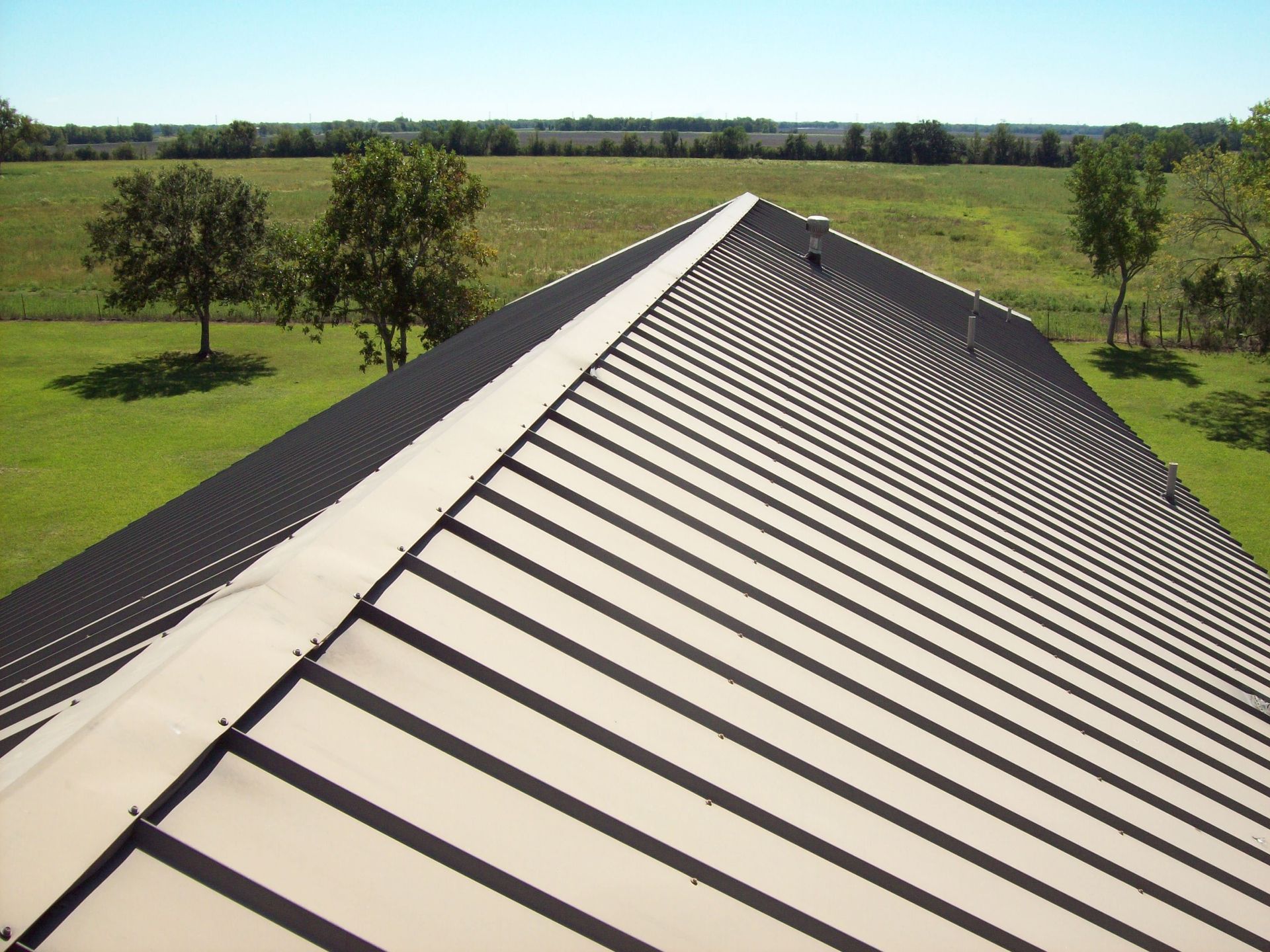
Metal roofing systems rely heavily on fasteners to maintain structural integrity. Over time, thermal expansion and contraction can cause fasteners to loosen slightly, which may allow panels to shift or create small gaps in the system.
A roofing contractor typically checks fastener tension and alignment during maintenance visits to ensure panels remain securely anchored. Even minor movement can influence water resistance if left uncorrected. Addressing these adjustments early helps preserve the roof's overall stability.
Panel movement is also monitored to detect stress points that may develop due to wind uplift or structural settling. When identified early, these issues can often be corrected without requiring extensive repairs, helping maintain the system's original performance characteristics.
Addressing Early Signs of Roof Deterioration
Detecting Moisture and Leak Patterns
Moisture intrusion is one of the earliest indicators of roofing system compromise. Water stains on interior ceilings, damp insulation, or subtle discoloration in attic spaces often signal that the roof is no longer fully sealed. A roofing professional evaluates these patterns to trace the source of the issue accurately.
Leak detection requires careful inspection of both interior and exterior conditions. Water rarely enters at the exact point where it becomes visible, so identifying the entry path is essential. Small gaps in flashing, seams, or fastener points can allow moisture to travel along structural components before becoming noticeable indoors.
Addressing leaks quickly prevents secondary damage such as insulation degradation or wood rot. Early intervention is especially important in metal systems, where water infiltration can spread along panel edges if not contained promptly.
Corrosion, Rust, and Protective Coating Wear
Metal roofing is engineered with protective coatings designed to resist corrosion. However, environmental exposure, standing moisture, and surface damage can gradually weaken these protective layers. When this occurs, oxidation may begin to form, especially in areas with repeated moisture exposure.
According to Home Advisor, properly maintained metal roofing systems are commonly expected to last around 40 years, and in many cases, they may extend up to 100 years when maintenance is consistently performed. This extended lifespan depends heavily on preserving protective coatings and addressing corrosion early before it spreads.
A roofing contractor evaluates rust formation not only as a surface issue but also as a potential indicator of deeper coating failure. Once corrosion begins, targeted treatment and sealing are often necessary to prevent further deterioration and restore protective performance.
Seam, Flashing, and Structural Stress Issues
Seams and flashing components are among the most vulnerable areas of a metal roofing system. These sections are responsible for directing water away from joints and transitions, making their integrity essential to overall performance.
A professional roofer examines seam integrity for signs of separation, sealant breakdown, or misalignment caused by thermal movement. Flashing around chimneys, vents, and roof edges is also assessed for gaps or deterioration that could allow water intrusion.
Structural stress may also appear in areas exposed to high wind or uneven load distribution. Over time, repeated stress can lead to subtle shifts in alignment that compromise system efficiency. Identifying these issues early helps prevent more extensive repairs later in the roof's lifecycle.
Identifying Professional Maintenance and Protection Strategies
Repair Techniques Used by Specialists
Professional repair strategies for metal roofing focus on restoring integrity without disrupting the system's overall structure. A roofing contractor may perform seam sealing, fastener replacement, or panel adjustments depending on the severity of the issue.
Leak detection and targeted repair are often combined to ensure that both the symptom and the source of the problem are addressed. This reduces the likelihood of recurring issues and supports long-term stability. In some cases, localized panel replacement may be necessary when damage is too extensive for surface-level repair.
Surface treatments such as rust remediation and protective re-coating are also common. These methods help restore the roof's resistance to environmental exposure and extend its functional lifespan when applied correctly.
Weather Resilience and Storm Damage Response
Metal roofs are known for their strong performance under harsh weather conditions, but extreme events can still cause damage. High winds, hail, and falling debris can impact panels, loosen fasteners, or compromise protective coatings.
A roofing contractor typically conducts post-storm evaluations to identify hidden damage that may not be immediately visible. Even minor dents or displaced seams can affect long-term performance if left unaddressed.
Storm response often involves stabilizing affected areas, securing loose components, and planning necessary repairs. Quick action reduces the risk of secondary issues such as water infiltration or accelerated corrosion following exposure.
Extending Roof Lifespan Through Ongoing Care
Long-term protection relies on consistent maintenance rather than reactive repairs. A roofing contractor develops ongoing care strategies that align with the roof's age, environmental exposure, and material condition.
Preventive treatments such as coating renewal, seam reinforcement, and periodic fastener adjustments help maintain system performance over time. These efforts work together to reduce wear accumulation and preserve structural integrity.
When maintenance is performed consistently, a metal roof can remain highly effective for decades, maintaining both functionality and appearance under a wide range of conditions.
Maintaining a metal roof requires a structured approach that balances inspection, repair, and preventive care. Each component of the system, from fasteners to seams, contributes to overall performance, and even small issues can escalate if not addressed promptly.
Working with a qualified roofing contractor ensures that maintenance decisions are informed by experience and technical understanding of metal roofing systems. With proper attention and consistent upkeep, property owners can protect their investment and support long-term durability across changing environmental conditions. For more expert information on maintaining your metal roof, reach out to Eagle Siding, Inc!