June 4, 2026
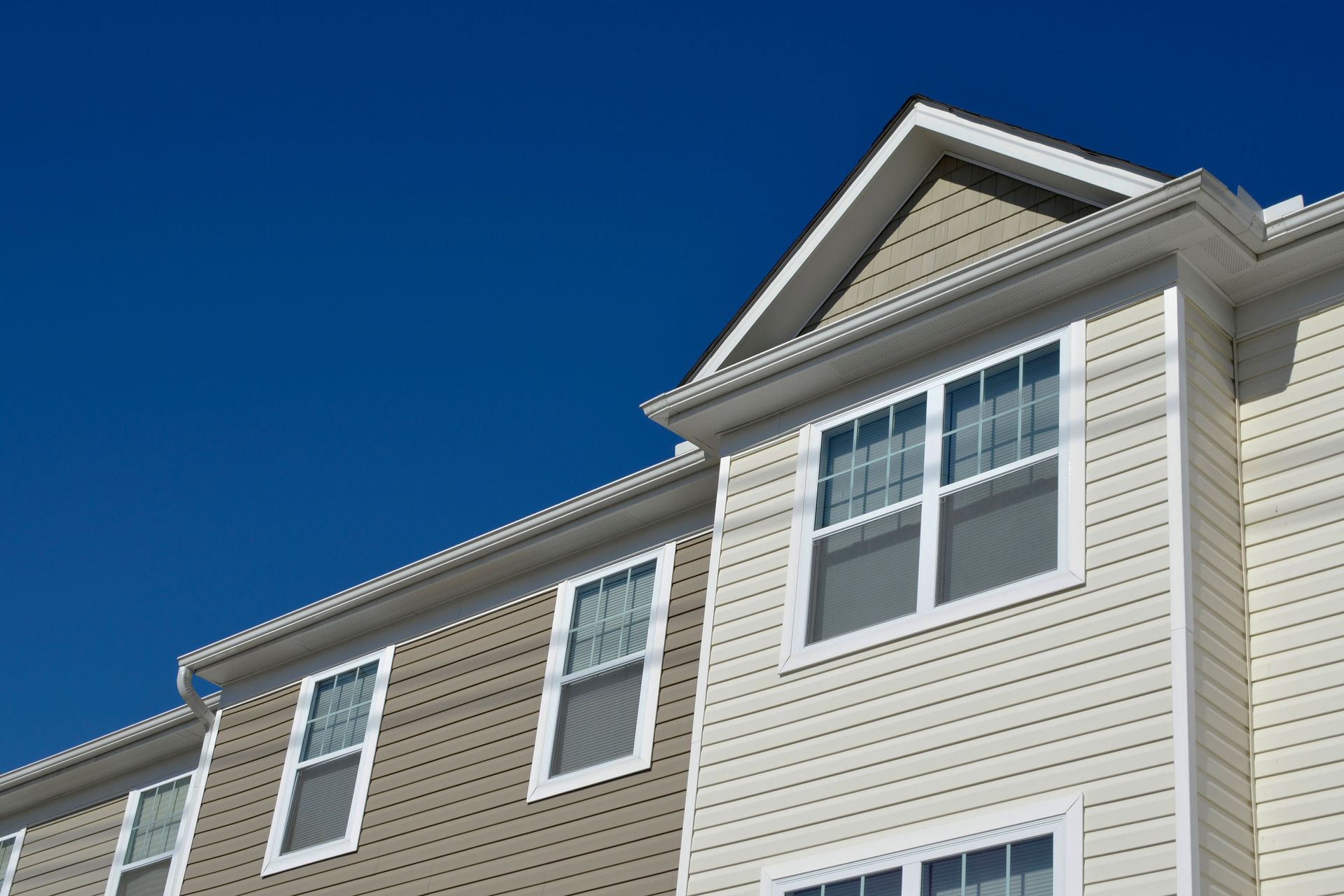
Vinyl siding has been gaining massive momentum as a preferred exterior option in the construction industry. It has been lauded for its cost-effectiveness, versatility, and minimal maintenance requirements, making it a popular choice for new homes. To ensure your investment stands the test of time, choosing a professional siding service is essential for proper installation. The following sections will delve into the historical context of vinyl siding, its advantages in modern construction, and explore innovations in its technology. Furthermore, we will assess the economic impact of vinyl siding on the construction industry and discuss consumer perceptions and societal trends. Finally, we will project future prospects for vinyl siding, evaluating both challenges and opportunities for further innovation and growth in this sector.
Historical Context of Vinyl Siding
Vinyl siding was developed in the late 1950s in the United States as a replacement for aluminum siding. Early producers struggled with manufacturing consistency, resulting in varying quality. Throughout the 1960s, technological advancements enabled the production of more uniform and durable vinyl siding. Manufacturers began refining techniques, focusing on better extrusion processes and color uniformity. Despite initial skepticism regarding its durability compared to traditional materials, vinyl siding found a niche market due to its affordability.
Advancements in design and material over the years have significantly improved vinyl siding's appeal. Enhanced UV protection was introduced in the 1970s, preventing fading and extending the lifetime of the product. Modern manufacturing integrates deeper panel straights, giving vinyl siding a more authentic wood-like appearance and greater structural integrity. As aesthetics improved, so did the color range, encompassing deeper, richer hues. These progressive changes allowed vinyl siding to match the evolving tastes and desires of homeowners seeking both visual appeal and resilience.
When first introduced, vinyl siding faced resistance from consumers and building professionals accustomed to traditional materials. Skepticism was driven by the perceived lower prestige of vinyl compared to wood or brick. However, its affordability during post-war housing booms led to increasing acceptance. Builders quickly recognized the cost advantages, integrating vinyl siding into various projects, especially in suburban developments. With time, improvements in material quality helped alleviate concerns over its initial reception.
Over the past decades, vinyl siding has witnessed significant market growth. Continued technological advancements have enhanced its durability, making it a popular choice in various climates. This expansion has been reinforced by building codes increasingly allowing or recommending its use due to its performance characteristics. Innovations have consistently fueled demand, positioning vinyl siding as a versatile building component. Today, vinyl siding is a mainstay in new home construction, according to the National Association of Home Builders, which noted that for residential projects initiated in 2024, more than a quarter of them utilized vinyl siding.
Innovations in Vinyl Siding Technology
One of the most notable advancements in vinyl siding technology is its improved weather resistance. Reinforced materials now offer superior protection against extreme conditions, be it high winds, heavy rain, or scorching sun. Enhanced weather performance means vinyl siding can maintain its appearance without warping, cracking, or fading. These robust features ensure that homes remain visually appealing over many years, extending the siding's lifespan. Continuous research and development in this area promise even further enhancements to weather resistance.
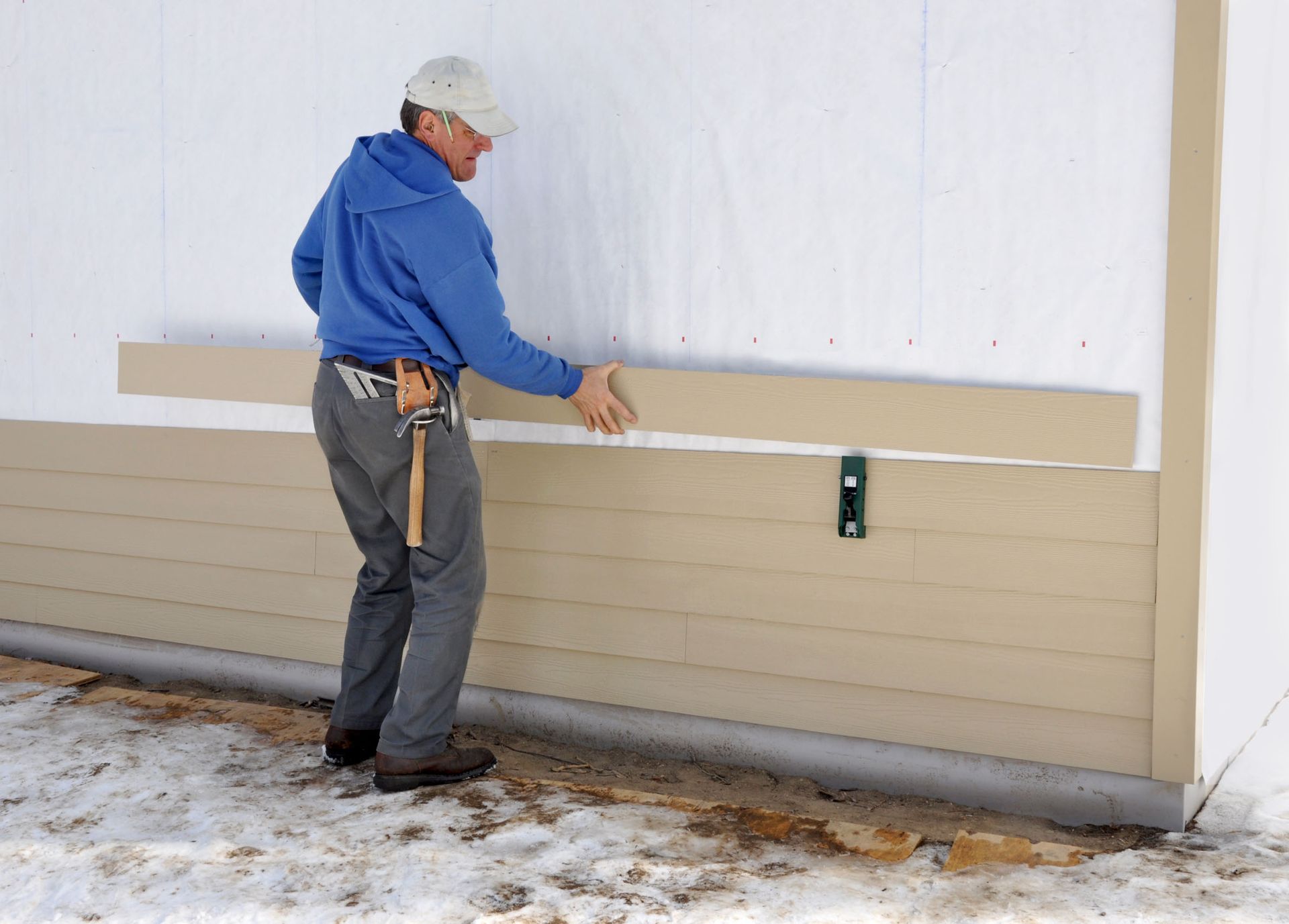
Technological innovations in manufacturing have revolutionized vinyl siding production, enhancing quality and performance. Advanced extrusion techniques have streamlined production, producing siding with consistent thickness and durability. These advancements also allow for greater complexity in design, such as incorporating intricate textures and profiles. Additionally, modern manufacturing enables better control over coloration, leading to more vibrant and lasting finishes. Selecting a specialized siding service ensures that these manufacturing innovations are utilized to their full potential during installation.
The Economic Impact of Vinyl Siding on the Construction Industry
The market for vinyl siding continues to grow, reinforced by evolving consumer preferences and reliable performance. Its demand fluctuates with economic cycles, but it benefits consistently from technological advances and cost efficiencies. Market trends indicate a shift toward more sustainable and customizable siding options, aligning with broader industry movements. When planning these projects, partnering with a dependable siding service makes it easier to navigate market options and pick the right products. Competitive pricing and continuous innovation are foundational to its sustained market presence.
Vinyl siding's influence extends to both local and global economies, supporting diverse aspects of economic growth. Locally, the production and installation cycles generate employment, tax revenues, and business for associated industries. Globally, vinyl siding manufacturing often involves international supply chains, promoting trade and economic linkages across borders. As vinyl siding continues to gain traction, its economic footprint expands, supporting infrastructure development and economic diversification. This interconnectedness positions vinyl siding as a pivotal component in the global construction landscape.
Vinyl siding faces competition from various materials, such as fiber cement, wood, and brick. Each alternative offers unique strengths, but vinyl stands out with advantages in cost-efficiency and low maintenance needs. While fiber cement promises similar durability, it often demands higher installation costs and maintenance. Wood and brick offer aesthetic and traditional appeal but are less competitive on price and upkeep. Homeowners frequently consult a local siding service to weigh these material options against their long-term budgets.
Consumer Perception and Societal Trends
Consumer perceptions of vinyl siding have evolved, with increasing acceptance due to its affordability, durability, and stylish options. Homeowners prioritize low maintenance and energy efficiency, which vinyl siding effectively provides. Contemporary versions of vinyl siding accommodate personalization needs, appealing to fashion-conscious consumers. As societal values shift toward sustainability, environmentally friendly vinyl options gain favor, reinforcing positive consumer sentiment. Changes in preferences reflect broader awareness of practical and aesthetic considerations in home exteriors.
Media and advertising play crucial roles in shaping consumer perceptions of vinyl siding. Strategic campaigns underscore their benefits like cost savings, ease of installation, and sustainability, appealing to prospective home buyers. Showcasing success stories and endorsements from trusted figures helps dismantle misconceptions about quality. Digital marketing advances allow targeted outreach, effectively communicating modern features of vinyl siding to relevant demographics. Finding an experienced siding service can help homeowners translate these advertised benefits into physical, lasting upgrades for their properties.
Demographic trends impact vinyl siding adoption across different age, income, and cultural groups. Younger homeowners often gravitate towards cost-effective and trendy solutions, driving interest in contemporary vinyl siding designs. Higher income demographics may lean toward premium materials but appreciate vinyl siding's insulation benefits in secondary properties or outbuildings. Additionally, regional climate variations influence decision-making, as certain demographics favor siding known to withstand specific environmental conditions. Hiring a professional siding service ensures that any chosen style fits the specific architectural and environmental demands of the region.
Future Prospects for Vinyl Siding
Forecasts indicate robust growth for vinyl siding, spurred by its adaptability to shifting market trends and technological advancements. As consumer interests in sustainable and customizable options increase, vinyl siding strengthens its market position. Projections envision expanded applications in remodeling and new construction, driven by appealing cost and performance benefits. Infrastructure investments and global housing demands further propel this growth trajectory, boasting opportunities for wider adoption. The rise in residential development, coupled with vinyl siding's ongoing innovation, promises sustained expansion into diverse markets.
Notwithstanding its growth, challenges and risk factors remain as external forces influence the vinyl siding landscape. Market volatility, economic fluctuations, and raw material cost variations can disrupt operations within this sector. Consumer trends toward premium organic materials present competitive pressure, necessitating continuous improvement and innovation in vinyl siding products. Additionally, regulatory compliance and attaining environmental certifications require strategic investments, driving costs within manufacturing processes. Securing a reliable siding service remains a critical step for builders wanting to mitigate structural risks and guarantee flawless execution.
The rise of vinyl siding in new construction is driven by a combination of its cost-effectiveness, low maintenance, aesthetic appeal, and sustainability. While it faces competition from other materials and challenges from economic and regulatory landscapes, continuous innovation has cemented its place in the market. As consumers and industry professionals continue to prioritize durability and environmental responsibility, opportunities abound for further advancements and increased adoption. With projected technological breakthroughs and growing alignment with sustainability trends, vinyl siding's future looks promising, ensuring its enduring relevance and influence in the construction industry. We are proud to offer financing to make your exterior upgrades manageable. We honor manufacturer warranties and provide a five-year standard installation warranty. For your next build or renovation, contact Eagle Siding, Inc. to secure premium craftsmanship for your home.